
Founder, Daily Diogo Costa
If you only read the fashion results this year, you would think luxury was in trouble. Read the fragrance results and you get a very different picture.
Perfume is the most accessible way into a great house. It is also, increasingly, the most personal. And this autumn, the numbers show where the personal choices are going: to rare, niche houses.
Puig, a record quarter
On 21 October, the Barcelona group Puig reported its best third quarter ever. Net revenue was €1,390.8 million, up 5.6 percent like for like and 7.2 percent reported. For the first nine months, revenue reached €3,744.5 million, up 4.8 percent like for like.
The Fragrance and Fashion segment, which represents 72 percent of the group, made €985.8 million in the quarter, up 3.9 percent like for like. Inside it, Niche Fragrances continued to grow at double digits.
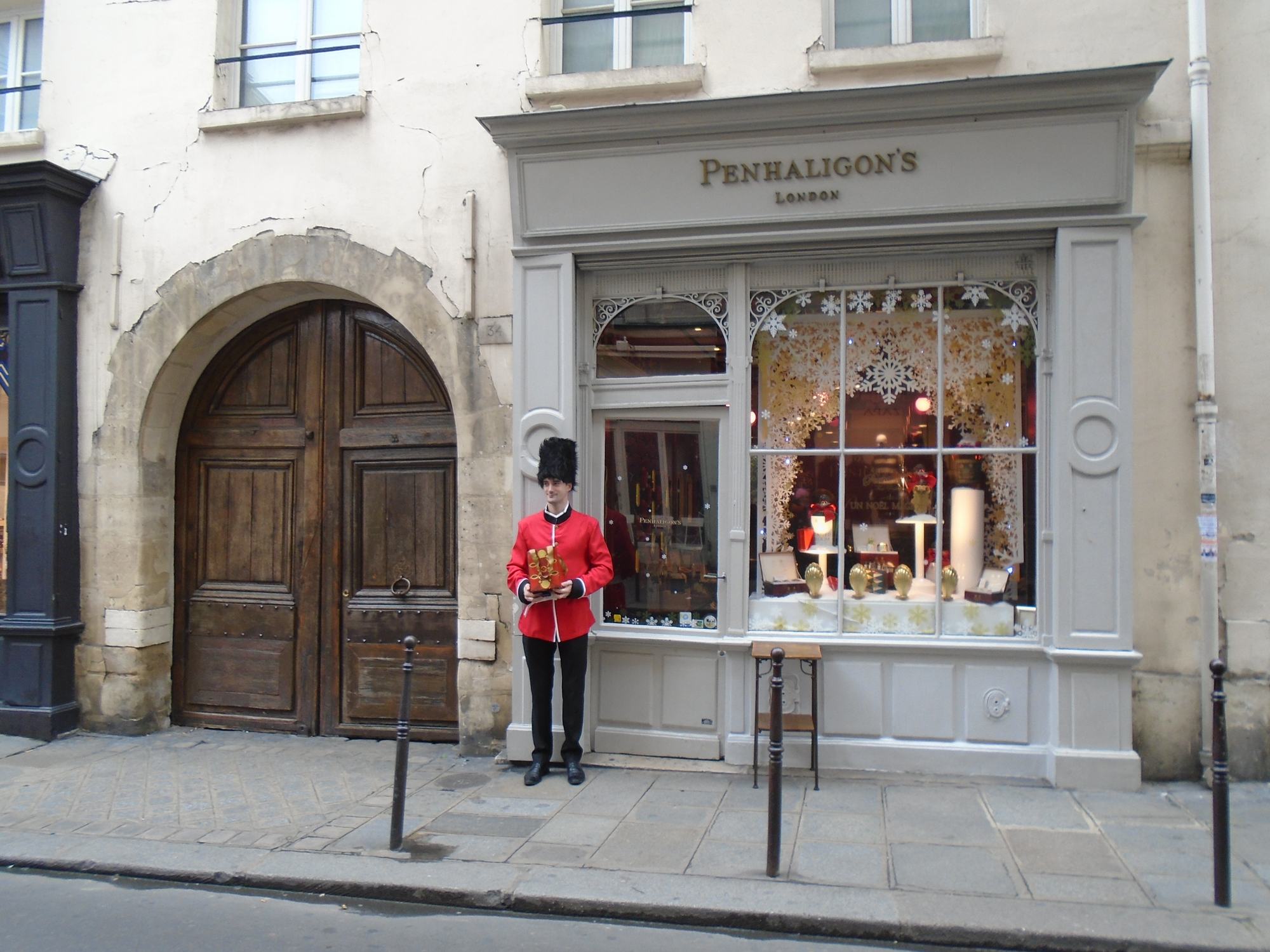
The CEO, José Manuel Albesa, named Asia Pacific, Niche Fragrances, Dermo Cosmetics and Makeup as the particularly strong areas. Puig's niche portfolio includes Byredo, Penhaligon's and L'Artisan Parfumeur.
LVMH, flat overall, but not everywhere
At LVMH, Perfumes and Cosmetics were stable on an organic basis over nine months, with 1 percent growth in the third quarter. A quiet number.
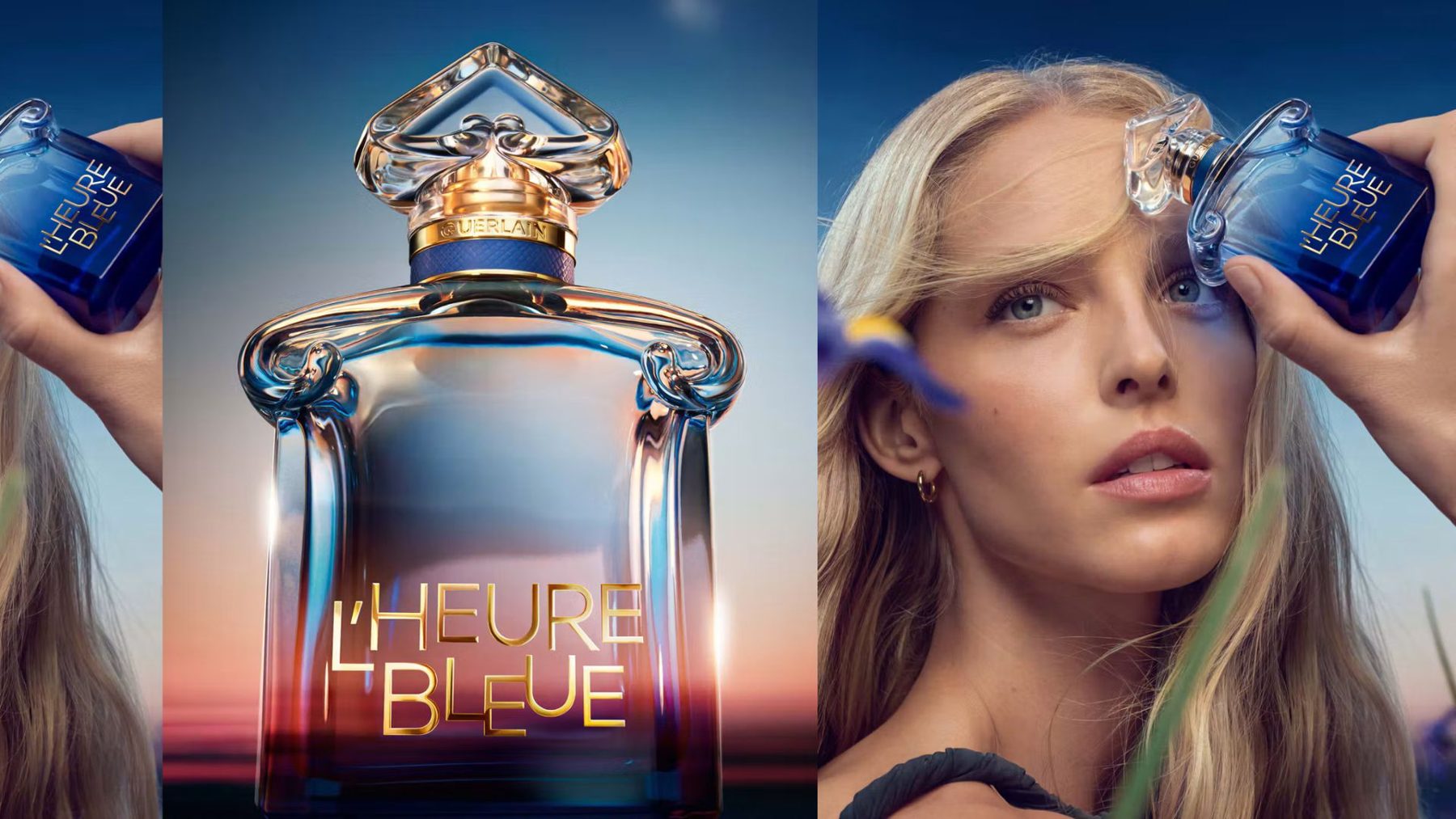
But inside that number there is a clear winner. According to the LVMH release of 12 October, Guerlain "saw substantial growth, driven by the launch of its L'Heure Bleue scent", along with its L'Art & La Matière and Aqua Allegoria collections. Parfums Christian Dior benefited from J'adore Intense and Sauvage Extrait. Maison Francis Kurkdjian expanded its Oud collection.
In other words: the heritage houses and the high perfumery collections are carrying the group.
Why niche is winning
I see three reasons.
First, price. A niche perfume costs more than a designer fragrance, but far less than a bag. For many clients it is the most affordable piece of true luxury.
Second, identity. People want to smell like themselves, not like everyone on the metro. A rare perfume is a signature.
Third, story. Niche houses sell the perfumer, the raw materials and the history. That is exactly what I write about on this site, and it is what clients now ask for.
Curious facts
- Puig is still controlled by the Puig family, more than a century after Antonio Puig founded it in Barcelona in 1914.
- Fragrance and Fashion is 72 percent of Puig's revenue. It is, at heart, a perfume company.
- L'Heure Bleue was created in 1912. A perfume more than a century old is one of the reasons Guerlain grew in 2026. I write about it separately this week.
Where to discover niche perfume in Portugal
In Lisbon, the perfume floor of El Corte Inglés carries many of the houses in these results, including Byredo and Guerlain. For independent niche houses, walk up to the Chiado, where Le Labo opened its Lisbon store on Rua Ivens.
My advice is always the same: never buy a perfume on paper. Wear it on skin for a whole day. The top notes are the advertising. The base notes are the truth.
My take
Fragrance is the part of luxury that has kept its promise. It is still made by a handful of creators, from rare materials, and it is still deeply personal.
When fashion houses struggle, they often push perfume harder, and some of them do it badly, with endless flankers and celebrity faces. The houses that grow are the ones that do the opposite: fewer launches, better juice, real stories.
For people who would rather smell rare than famous, the market is finally on their side.
Images. Banner: Photo: Guilhem Vellut, CC BY 2.0, via Wikimedia Commons.