
Founder, Daily Diogo Costa
I write about hotels as a guest. But a guest who ignores the business ends up confused about why prices change, why openings get delayed and why some cities suddenly fill with cranes.
So this week, between two hotel stories, I want to look at the numbers. They are better than the headlines suggest, with one important warning about Lisbon.
September, according to INE
On 30 October, the national statistics institute, INE, published its preliminary figures for September 2026.
Tourist accommodation in Portugal registered 8.7 million overnight stays, 2 percent more than a year earlier, the strongest growth in four months. Total revenues reached €890.2 million, up 6.1 percent. Room revenues were €696.6 million, up 6 percent.
Revenues are growing three times faster than stays. That is the story of Portuguese hospitality right now: fewer extra guests, but guests who spend more.
The average revenue per available room, RevPAR, was €102, up 2.8 percent. The average daily rate was €147.30, up 3.3 percent.
Lisbon, still the most expensive room
Greater Lisbon had the highest RevPAR in the country, €150.20, and the highest average rate, €182.20. It also concentrated 28 percent of all revenues. The municipality of Lisbon alone had 1.5 million overnight stays in September, 17.8 percent of the national total.
The North grew fastest, with revenues up 10.3 percent and stays up 6.6 percent. Porto was among the top municipalities, with stays up 5.6 percent.
The warning from the hoteliers
The Portuguese hotel association, AHP, presented its autumn survey in October, as reported by Jornal Económico. The sector expects tourism receipts of about €30 billion in 2026, up roughly 3 percent from €29.1 billion in 2025, and total hotel revenues of €7.4 billion.
But AHP was clear about Lisbon. Over the summer, occupancy in Greater Lisbon fell 2 points to 82 percent and the average room price slipped 1 percent to €173. 57 percent of Lisbon hoteliers said their performance was worse than the year before. The main reason cited was the constraints at Humberto Delgado airport.
The Algarve was the only region with an average summer room price above €200, at €228. Madeira had the highest occupancy, 90 percent.
Curious facts
- The United Kingdom remains the first foreign market, with 19.1 percent of non resident stays in September. Poland grew the most among the top ten, up 11 percent.
- Madeira has the longest average stay in the country, 4.55 nights. Visitors who go to Madeira do not go for a weekend.
- Inflation is the quiet factor. AHP itself warned that part of the revenue growth is price, not volume.
What it means for luxury
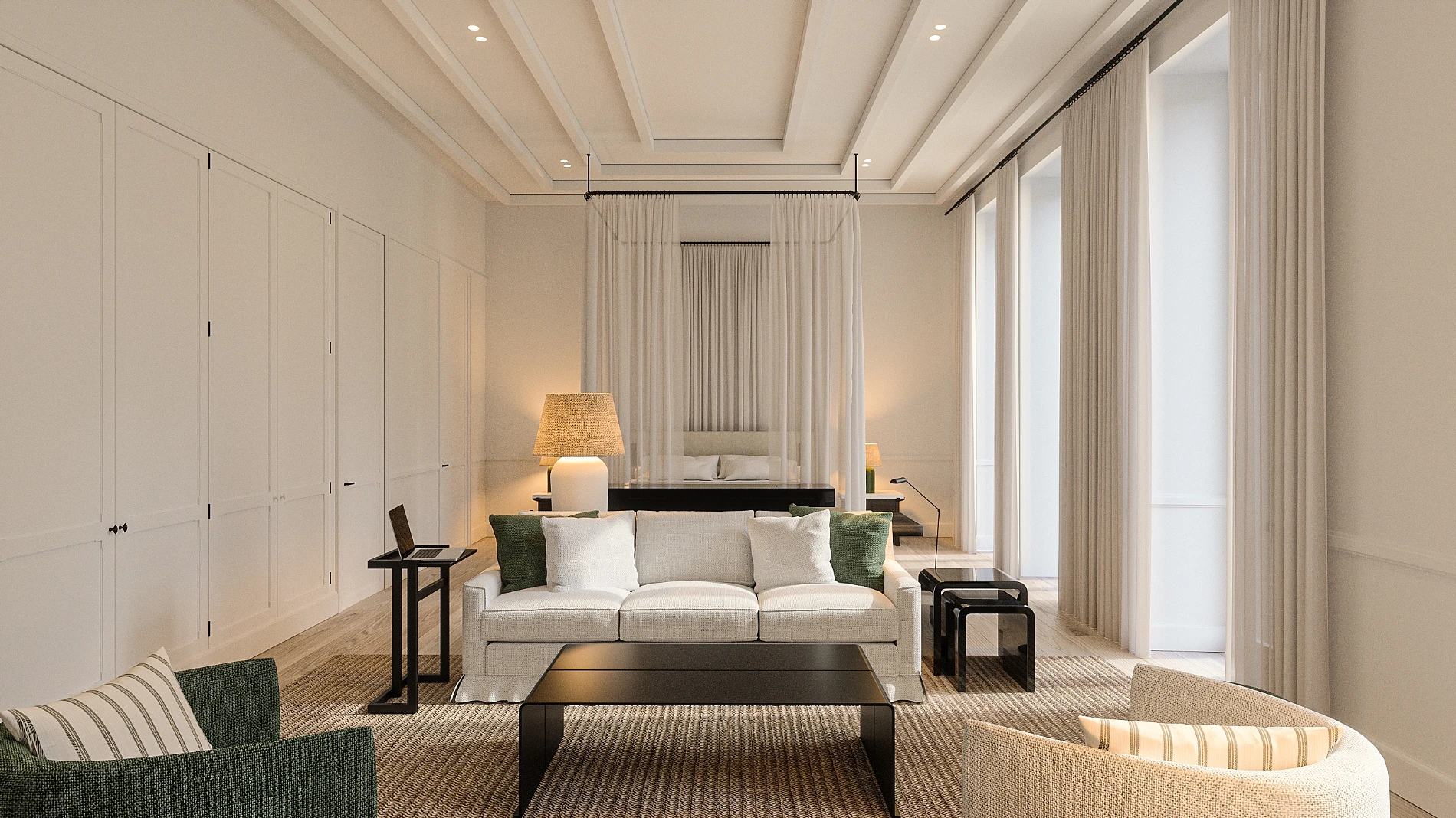
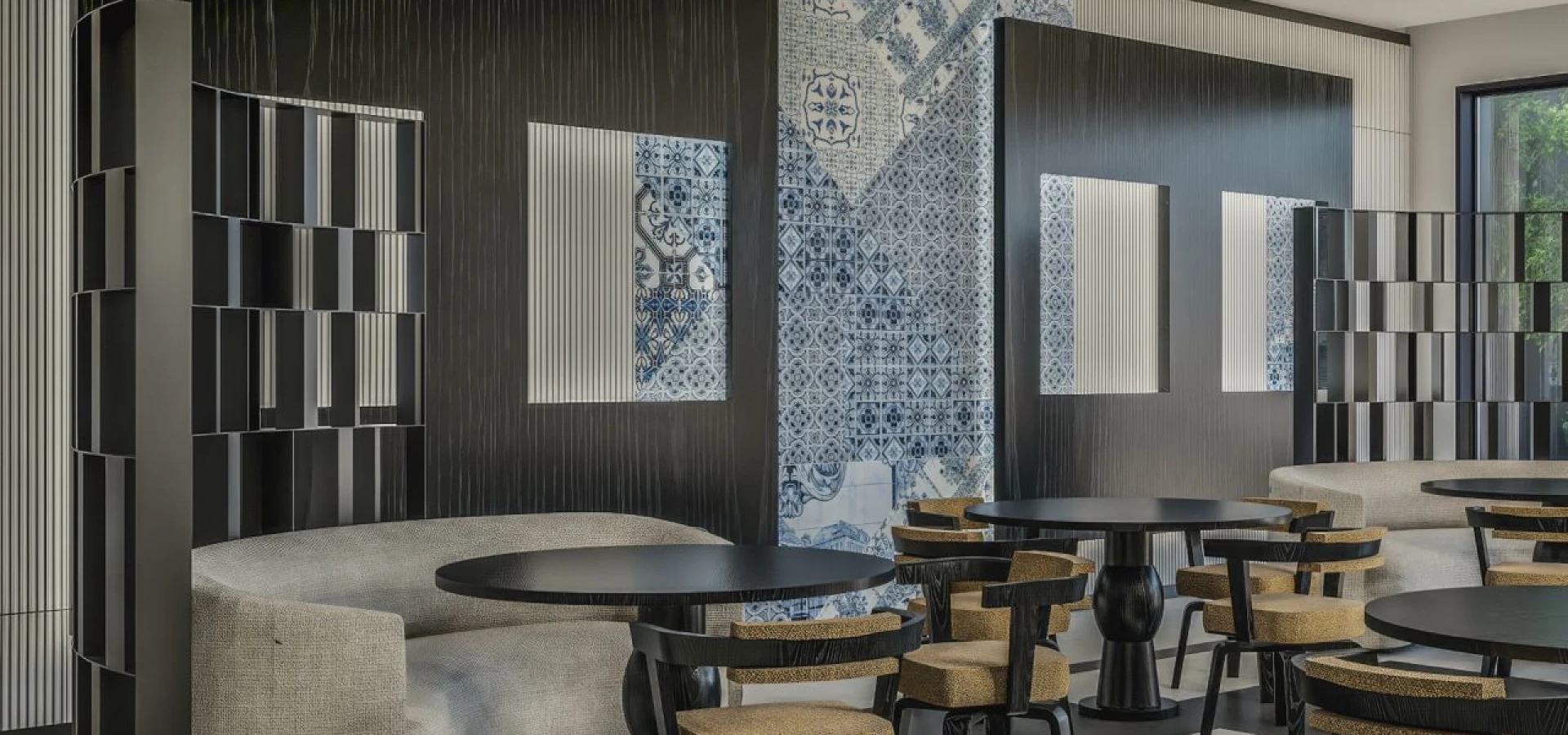
At the top of the market, the logic is the same as in watches or cars. Volume is flat, value is rising. The new openings in Portugal are small, expensive and highly designed: sixteen suites at the JNcQUOI House on Avenida da Liberdade, opening on 3 December, and 52 rooms at the Debrais Boutique Hotel on Avenida da Boavista in Porto, opening this month.
Investors are betting that Portugal can sell fewer, better nights. The September figures say they are right.
My take
As a Lisbon resident, the airport warning worries me more than any statistic. A city can have the best hotels in Europe, but if arriving is painful, guests choose somewhere else.
As a guest, I see the other side: Portuguese hotels are better than they have ever been, and the best ones are worth every euro. The challenge is to raise prices only as fast as you raise the experience.
For anyone who follows the numbers before the stars, the message is clear. Portugal is moving up the market. Lisbon must make sure people can still get in.
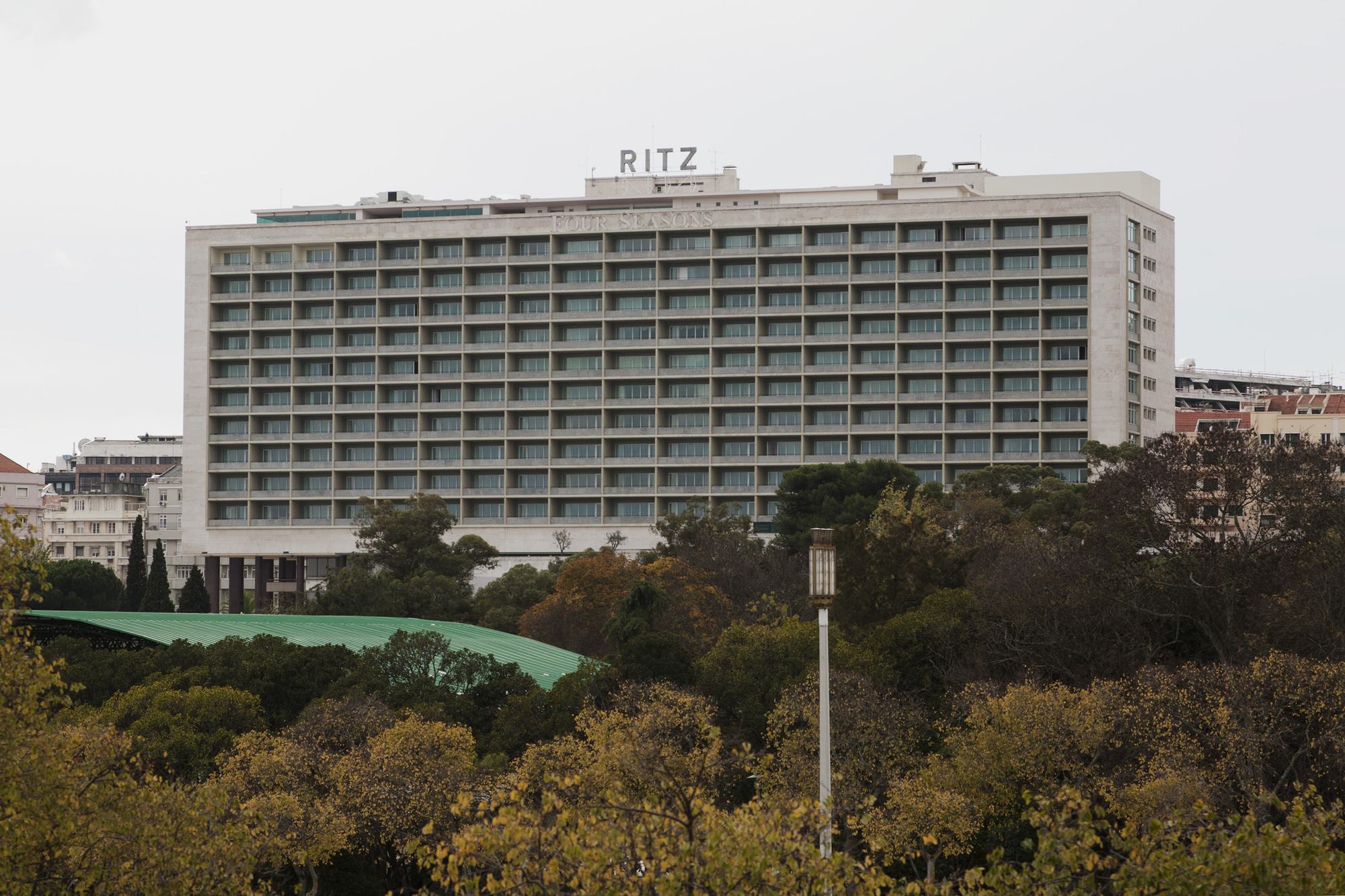
Images. Banner: Photo: Manuelvbotelho, CC BY-SA 3.0, via Wikimedia Commons.