
Founder, Daily Diogo Costa
Every October the big luxury groups publish their third quarter sales, and every October I read them the way I read a menu: looking for what has changed.
This year the answer is clear. Luxury is no longer one industry. There is the very top, which keeps growing. And there is everyone else, which is learning to be patient.
Hermès, steady as a saddle
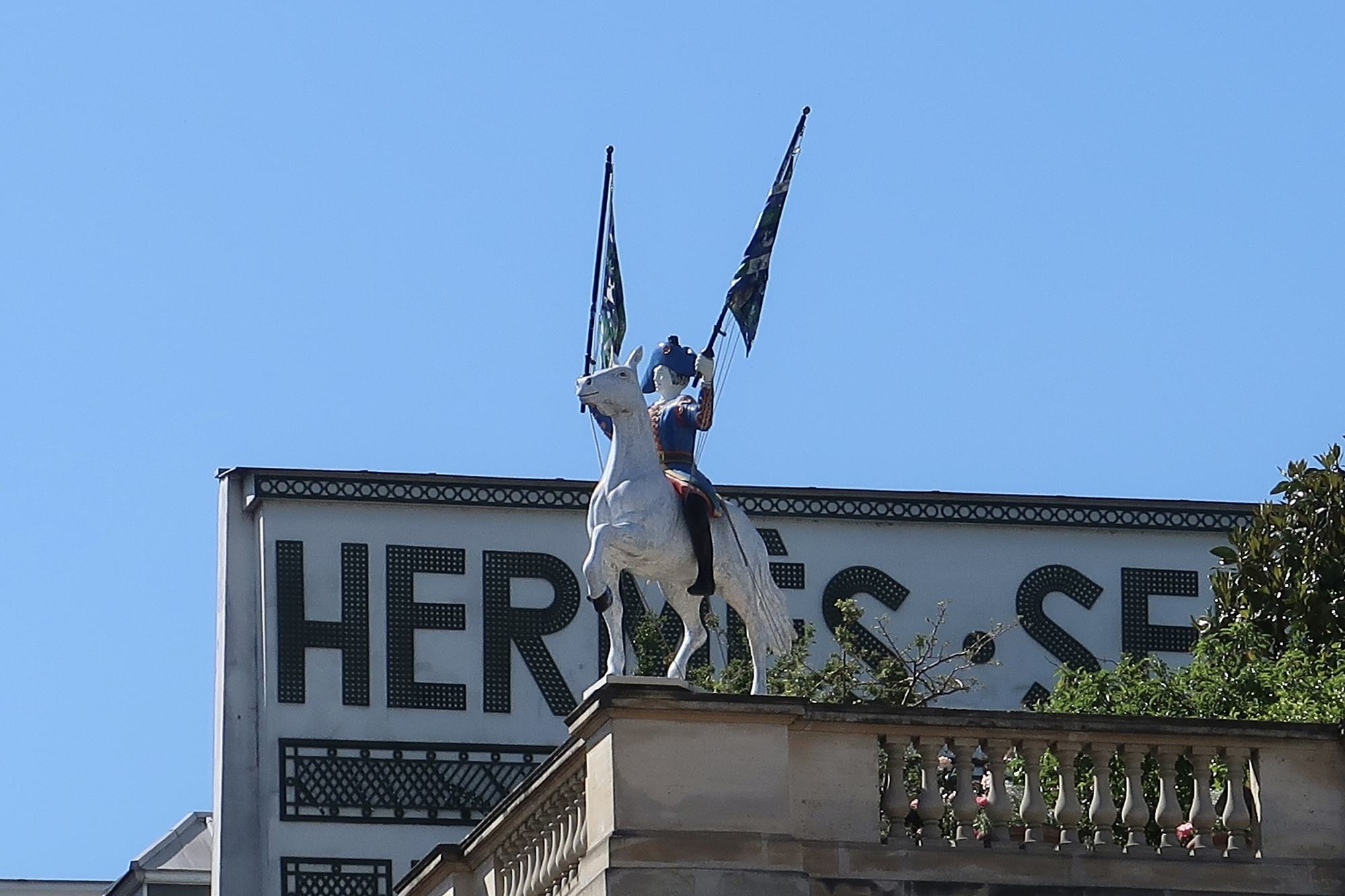
On 22 October, Hermès reported revenue of €12.3 billion for the first nine months of 2026, up 6 percent at constant exchange rates. In the third quarter alone, sales were €4.1 billion, up 4 percent at constant rates and 6 percent at current rates.
Leather Goods and Saddlery, the heart of the house, grew 10 percent over nine months, with a slight acceleration in the quarter. The Americas grew 13 percent. Europe excluding France grew 9 percent, and Hermès specifically mentioned the dynamism of Southern Europe.
Axel Dumas, Executive Chairman, already looked to January: the first men's ready to wear collection signed by Grace Wales Bonner, and the introduction of Couture by Nadège Vanhée.
LVMH, holding the line
On 12 October, LVMH reported €57.1 billion of revenue for nine months, with organic growth of 2 percent. In the third quarter, organic growth was 1 percent, with China weaker and the United States, Europe and Japan growing.
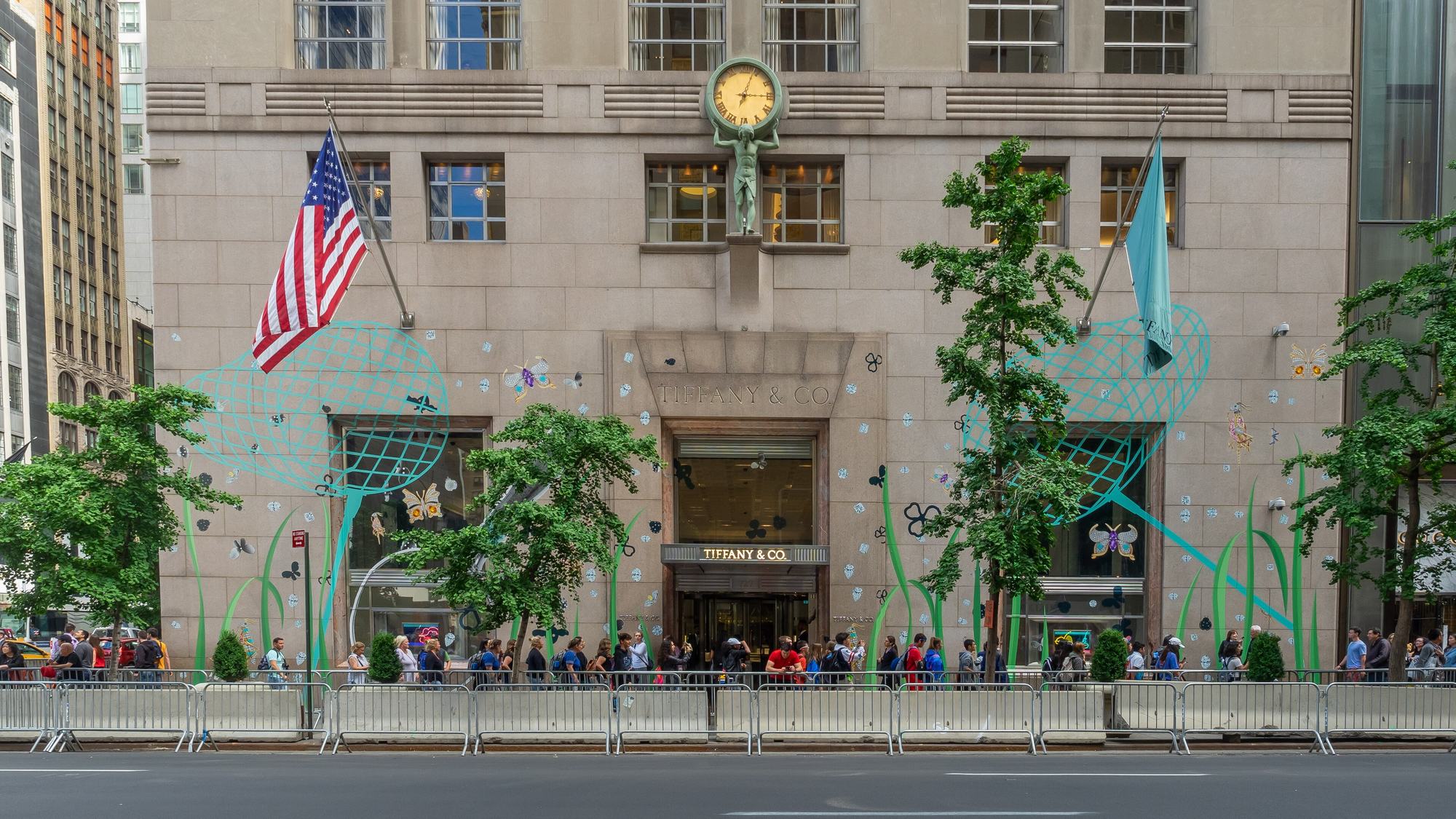
The split inside the group is telling. Fashion and Leather Goods fell 5 percent organically in the quarter. Watches and Jewelry grew 8 percent over nine months, led by Tiffany and Bulgari. Perfumes and Cosmetics were flat. Loro Piana, according to the group, had an excellent performance.
Kering, still rebuilding
Kering reported third quarter revenue of €3,345 million, down 1 percent on a comparable basis. Gucci, the group's largest house, made €1,291 million, down 6 percent comparable. Bottega Veneta continued to outperform the group.
Kering is in the middle of a long creative and management reset across its houses. These results show it is not finished yet.
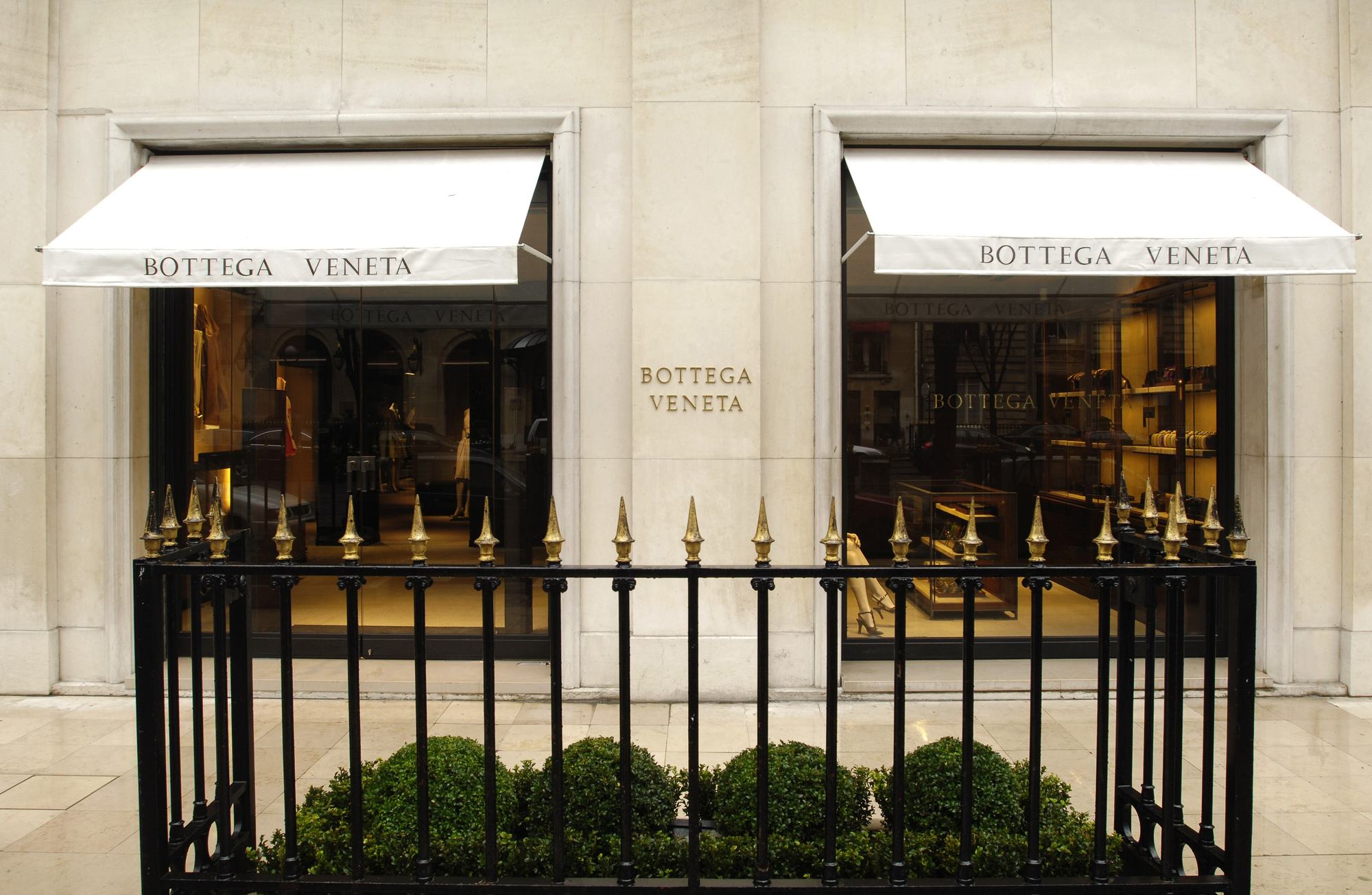
Kering's best news this year was precisely the house that says the least. Bottega Veneta, the brand without a logo, is the one holding the group up. There is a lesson in that.
Curious facts
- Hermès still makes its bags by hand, one craftsman per bag. It opened its twenty fifth leather goods workshop in France this April, in Loupes, and has three more planned.
- Currency moves cost Hermès about €310 million of revenue in nine months. It still grew.
- LVMH sold Marc Jacobs to WHP Global on 1 September. Even the biggest groups are pruning.
The Portugal angle
You can read these results on the Avenida da Liberdade without opening a spreadsheet. Louis Vuitton, Dior, Gucci and Saint Laurent are all there, and Hermès is a short walk away in Chiado. Bottega Veneta opened its first Portuguese street store at number 224 in May. And Tiffany, Bulgari and Celine are coming to the former BES building, or near it, as I explain in a separate story.
When Hermès says Southern Europe is dynamic, Lisbon is part of that sentence. The tourists who walk up the Avenida are the same customers who appear in those growth rates.
My take
I am a consumer first. And as a consumer, I understand these numbers instinctively.
Hermès never tried to grow by selling more logos. It grew by making the same things better, and by saying no more often than yes. The houses that struggle today are the ones that chased volume in 2021 and 2022 and now have to rebuild desire.
That is why I keep buying from the same few houses, and why I write about them. For those who never needed a good quarter, because they were busy making a good product, the market is still kind.
Images. Banner: Photo: Polymagou, CC BY-SA 4.0, via Wikimedia Commons.