
Founder, Daily Diogo Costa
Every quarter, the luxury industry waits for two results more than any others: Hermès and Ferrari. They are the benchmark for what scarcity, done properly, can achieve.
On 3 November, Ferrari published its third quarter of 2026. I read the whole release. Here is what stood out.
The numbers
Net revenues were €1,896 million, up 7 percent on the same quarter last year, and up 10 percent at constant currency.
EBITDA reached €753 million, a margin of 39.7 percent. EBIT was €563 million, a margin of 29.7 percent. Net profit was €431 million, and diluted earnings per share €2.44. Industrial free cash flow in the quarter was €567 million.
Deliveries were 3,368 cars in the quarter. Over nine months, Ferrari shipped 10,170 cars, 318 fewer than a year earlier.
Read that again. Fewer cars, more money.
Why fewer cars is the strategy
This is not a problem. It is the plan. Ferrari has always said it deliberately keeps deliveries below demand. The extra revenue comes from the mix of models, from personalisation, which keeps growing, and from sponsorship and brand activities.
Personalisation is the quiet engine of the business. Clients pay for colours, materials and details that make their car unique, and those options carry higher margins than the car itself.
What a 40 percent margin means
An EBITDA margin near 40 percent is extraordinary for a company that builds physical machines in a factory. Most car makers are happy with a fraction of that. Ferrari's margins look more like those of a great fashion house than of a car company.
That is the point. Investors value Ferrari as a luxury brand, not as an industrial group, and quarters like this one explain why.
Guidance, raised again
Ferrari raised its full year targets. It now expects net revenues of about €7.65 billion, EBITDA of about €3 billion, diluted EPS of at least €9.85 and industrial free cash flow of up to €1.65 billion.
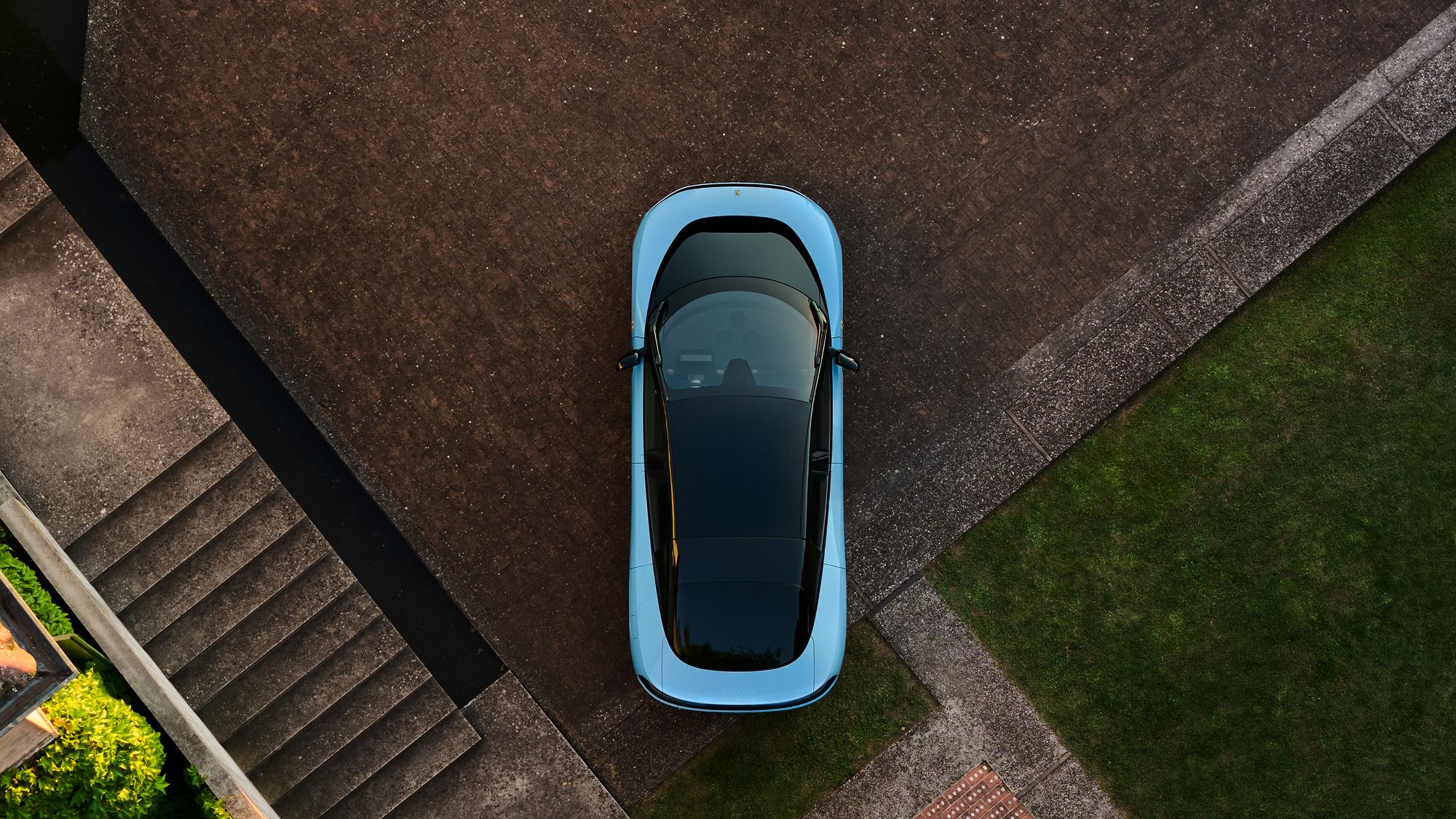
The order book, according to the company, already covers its production well into 2028. For the new Luce, the first fully electric Ferrari, demand has been strong enough that production is spoken for into 2028, as I wrote a few days ago.
Curious facts
- Ferrari built its first car under its own name in 1947, the 125 S. Enzo Ferrari famously said he sold road cars to pay for his racing team.
- Ferrari has been listed on the New York Stock Exchange since 2015 and in Milan since 2016. Its ticker in New York is simply RACE.
- At Monterey this summer, Luce "Chassis 0" set an auction record before the model had even reached its first clients.
The Portugal angle
In Portugal, Ferrari is represented by FBO Motor Sports, with showrooms in Lisbon and Porto. That is where you start the conversation about an allocation, and where you learn how long you will wait.
For Portuguese investors, Ferrari is also listed in Milan and New York, which makes it one of the few luxury houses you can follow as closely as a car. I do not give investment advice. I only note that the shares and the cars obey the same rule: they reward patience.
My take
What I admire most in these results is discipline. It would be easy for Ferrari to build ten thousand more cars a year and sell all of them. It refuses. Every refusal makes the next car more desirable.
That is the lesson for every luxury brand I write about. Growth that destroys desire is not growth.
For those who read the order book before the price list, this quarter is a masterclass. The cars come later.
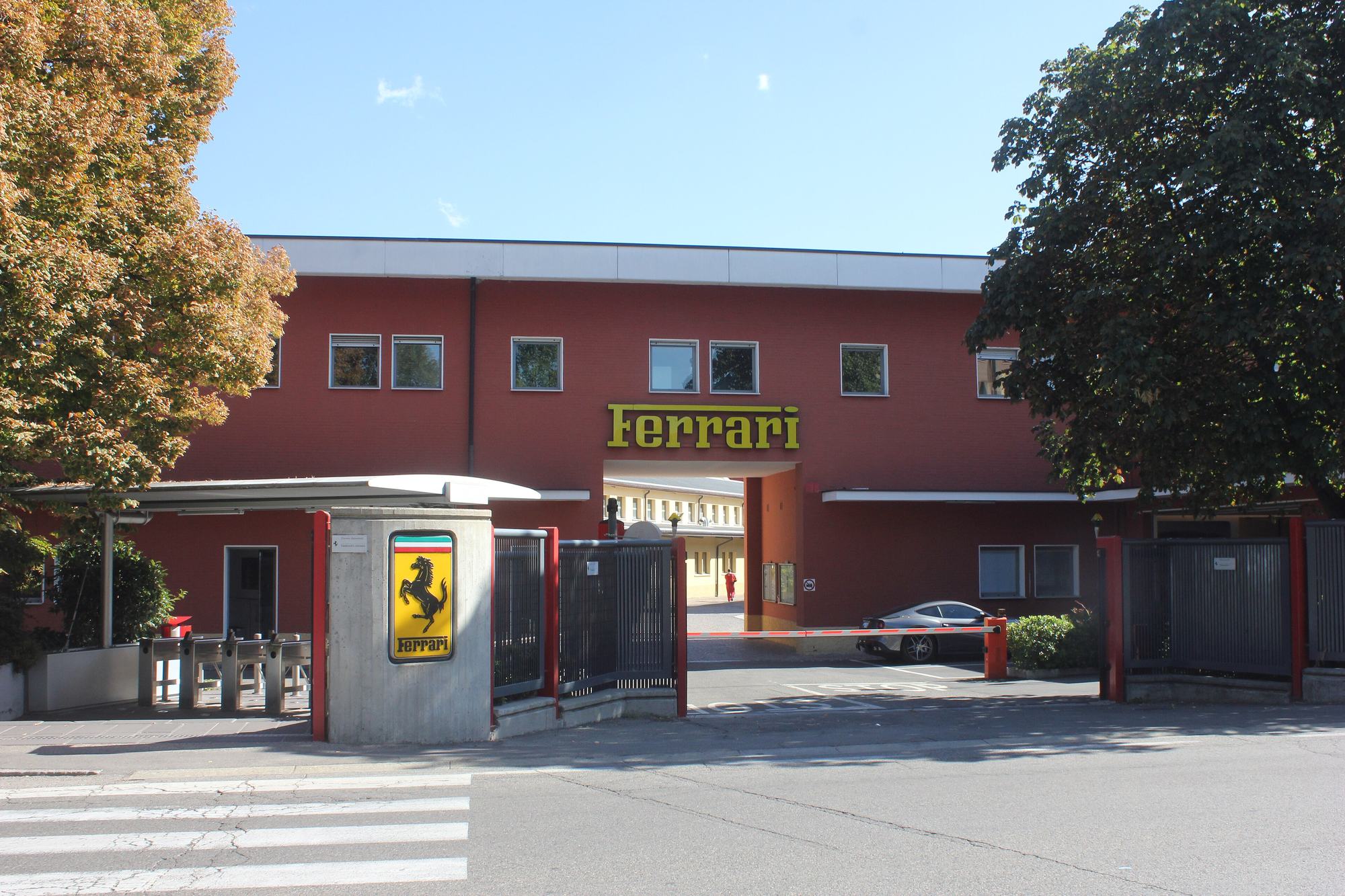
Images. Banner: Photo: CAPTAIN RAJU, CC BY-SA 4.0, via Wikimedia Commons.