
Founder, Daily Diogo Costa
I have always thought the best watch exhibitions are not about watches. They are about hands. The hands that engrave, enamel, set and polish, and that you almost never see.
Patek Philippe understands this better than anyone. Its Watch Art Grand Exhibition in Milan, held from 2 to 18 October, has just closed with numbers that would make a museum director jealous.
The numbers, from the press release
According to the post event release Patek Philippe sent me on 2 November, the exhibition welcomed 68,000 visitors, including 400 members of the media. It covered more than 2,900 square metres.
It was the seventh edition of the Grand Exhibition and, in the words of the manufacture, the largest it has ever organised. Visitors walked through the workshops of Patek Philippe, through the streets of Geneva and down to the shores of the lake, all rebuilt in Milan.
Seven limited editions were launched there. A large selection from the Rare Handcrafts collection was shown. And the new Gondolo Ladies First line made its debut.
Why this belongs in the Art section
Because Rare Handcrafts are art, and I will defend that anywhere.
Cloisonné enamel, where fine gold wires draw the outline and each cell is filled with colour and fired again and again. Miniature painting on enamel, with brushes of a few hairs. Hand engraving, guilloché, marquetry in wood and stone. Some of these crafts survive in Geneva because a handful of houses keep commissioning them. Patek Philippe is the most important of those houses.
The jury of the GPHG seems to agree. At the 26th Grand Prix d'Horlogerie de Genève on 7 November, Patek Philippe received the Special Jury Prize for the Watch Art exhibitions.
A travelling museum
The series began in Dubai in 2012. It then went to Munich, London, New York, Singapore and Tokyo, before Milan. Each time the manufacture brings a part of its own museum in Geneva and a part of its workshops with it.
If you have never been to the Patek Philippe Museum in Geneva, on Rue des Vieux Grenadiers, put it on your list. It is one of the great museums of applied art in Europe, and it is not only for collectors. The exhibition is, in a way, that museum on tour.
Curious facts
- Patek Philippe describes itself in the release as the last family owned independent watch manufacture in Geneva. The Stern family has owned it since 1932.
- Gondolo is one of the oldest names in the Patek catalogue. It goes back to the early twentieth century and to a Brazilian retailer, Gondolo & Labouriau, who was one of the manufacture's biggest clients.
- That Brazilian connection makes Gondolo, in a way, the most Lusophone of all Patek collections.
Where to experience it in Portugal
The exhibition will not come to Lisbon, at least not yet. But you can see Rare Handcrafts pieces and the current collections in Portugal.
Patek Philippe has its Lisbon boutique by David Rosas at Avenida da Liberdade 12D, at the bottom of the Avenida, near Restauradores. In Porto, David Rosas represents the brand on Avenida da Boavista. Ask for the Rare Handcrafts catalogue. It is a book worth having on its own.
My take
There is a cynical reading of an exhibition like this: it is marketing, beautifully done. That is true, and it does not bother me.
What matters is what the marketing pays for. Every enamel dial, every engraved case in Milan is a reason for a young craftsman in Geneva to keep learning a trade that would otherwise disappear. If the price of keeping cloisonné alive is a very elegant exhibition, I will happily pay it with my time.
For those who think a watch belongs in a museum, Patek Philippe has been building that museum for more than a decade. It just keeps moving.
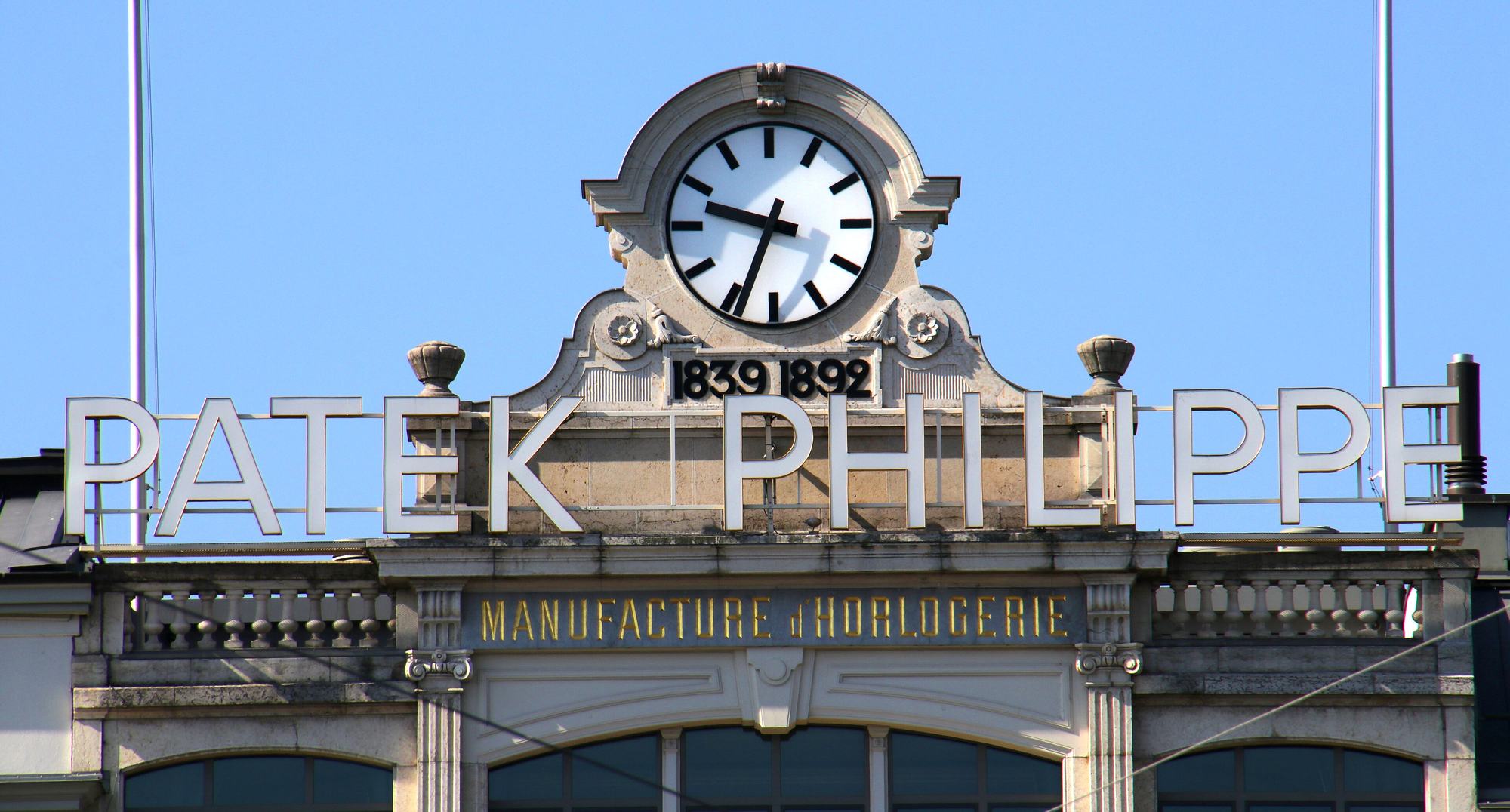
Images. Banner: Photo: Guillaume Baviere, CC BY-SA 2.0, via Wikimedia Commons.